 by
by In this constantly changing era, the boundaries of work have become increasingly blurred. Technology has erased the limits of distance, information flows faster than ever, and our pace of life has been completely redefined. More and more people are asking themselves: What kind of work do I truly want? Is it a stable salary, a clear path of promotion, or a way of living that allows life and ideals to move forward together?
I, too, have changed through this reflection. Perhaps the meaning of work is not merely about making a living, but about choosing a lifestyle—one that brings a sense of accomplishment and respect, while still allowing space for one’s own rhythm.
Give Your Tech a Second Life
Give your devices a second life with Gazelle.com
Sell your old tech or buy certified pre-owned phones and laptops — saving money while reducing e-waste.
Smart for you. Good for the planet.
1. From “9 to 5” to “Anywhere, Anytime”: The Restructuring of Work
In the past, I used to firmly believe that “stability” was the ultimate meaning of work. Every morning at eight, I would head out; every evening around six, I’d return home. Sitting in front of a screen all day, my hours were sliced apart by meetings, emails, and reports. It all seemed orderly, yet I increasingly felt a kind of emptiness—as if time itself was consuming me. Until one day, I stumbled upon a sentence: “The meaning of work is not to be bound, but to create freedom.”
That moment, I suddenly realized that an ideal job shouldn’t be something fixed—it should move in rhythm with life.
In recent years, more and more people have started rethinking the definition of “work.” Technology has made remote collaboration possible; the platform economy has made part-time and freelance work accessible to many. We can now work from cafés, homes, or while traveling, no longer tied to the physical limits of an office.
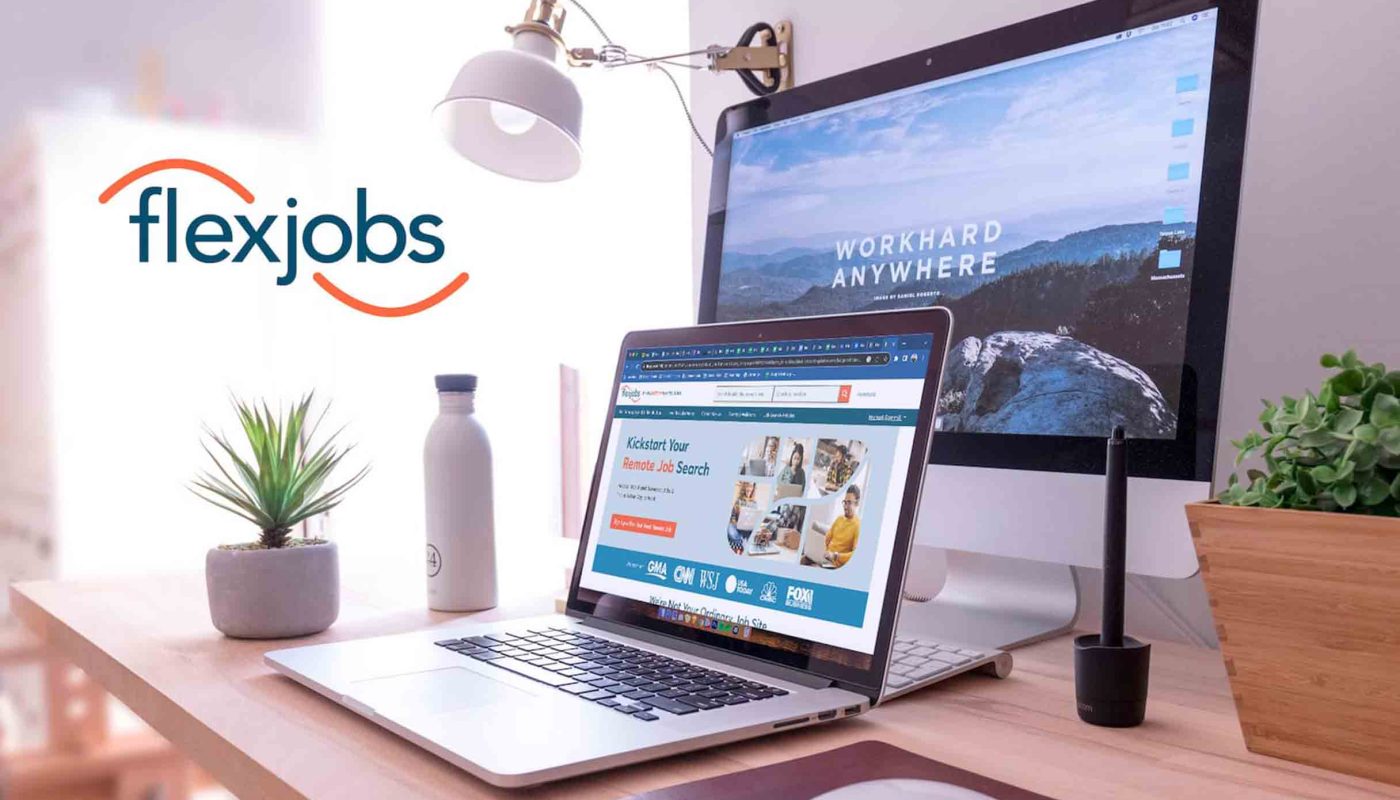
In this transformation, one name keeps coming up among remote workers—FlexJobs.
FlexJobs has become widely recognized not just as a job board, but as a gateway for people to redesign their lifestyles. The positions it offers go beyond traditional full-time employment, covering remote, flexible, part-time, and freelance opportunities. It allows people to choose their own pace. For someone like me, seeking freedom and balance, FlexJobs is like a guiding light.
2. Finding Balance: My First Experience with Flexible Work
After the pandemic, I had my first real experience working remotely. At that time, I was a brand strategist at an advertising agency. Endless online meetings and constant revisions had worn me out. One day, I happened to browse through FlexJobs and came across a remote content project that perfectly matched my professional background. It was then that I realized—I didn’t have to sit at a particular desk to create value with my skills.
That job gave me the freedom to reclaim my time. I began reorganizing my days: writing in the morning, taking walks or reading in the afternoon, and managing projects in the evening. My efficiency improved significantly. The opportunities available on FlexJobs showed me that the “structure” of work could be redefined. You don’t have to follow the city’s rhythm—you can set your own.
When I shared this experience on my blog, many readers told me they longed for that same flexibility but didn’t know where to start. I told them: start with FlexJobs. At the very least, it’s a safe and professional space to explore. Every listing is manually screened, reducing scams and false postings, which gives newcomers confidence to try remote or freelance work.
3. The Truth About Remote Work: Freedom Comes with Discipline
Many assume remote work is easier, but it’s not. Without the structure of an office, you’re entirely responsible for your own pace. At first, I fell into the “trap of freedom”—procrastination, distraction, and low productivity.
That was when I realized: if I wanted this lifestyle to last, I had to create my own boundaries.
Most of my projects from FlexJobs involve content marketing and brand writing. My clients are spread across countries and time zones, which taught me the importance of clear communication and strict scheduling.
I began each day by setting a plan, assigning writing sessions and breaks; I learned to proactively update clients and deliver high-quality work on time. These seemingly simple habits are actually the core of remote work—self-management.
The flexibility FlexJobs provides gives me room to adapt, but true growth comes from responsibility. Remote work isn’t about lounging at home—it’s about being more efficient and self-driven. It tests not only your skills but your willpower.
4. The Future of Work: From Positions to Identities
If traditional work was about “finding a job,” then modern work is about “building an identity.”
More people are now creating multiple income streams—writing, translating, designing, programming, consulting—and you can find all of these opportunities on FlexJobs. It’s not just a job list; it’s a collection of possibilities that shows how you can be needed by the world.
I once interviewed a UX designer who found a remote role through FlexJobs. She told me that working this way allowed her to grow her career while still spending time with her child—no longer forced to choose between “career or family.” She smiled and said, “I didn’t quit to be a stay-at-home mom. I just found another way to continue my professional dream.”
That line stuck with me. Work shouldn’t be a sacrifice—it should support your life.
In fact, many major companies now post openings through FlexJobs—from IBM to Salesforce, from nonprofits to startups. The platform reflects the broader trend of decentralization in the modern workplace. We’re moving toward a more flexible and inclusive employment era.
5. How to Start Your Flexible Work Journey
If you’re thinking about changing how you work, here are a few practical tips to help you take the first step:
- Identify Your Core Skills
Whether it’s writing, design, marketing, or data analysis, know your value. Filling in your skill tags on FlexJobs will greatly increase your chances of being noticed by employers. - Prepare a Strong Remote Resume
Unlike traditional resumes, remote resumes focus on achievements and project experience. FlexJobs offers many resources for resume building and career guidance—make good use of them. - Master Communication and Time Management
Freedom doesn’t mean chaos. Clear communication, punctual delivery, and consistency are key to earning trust. - Stay Curious and Keep Learning
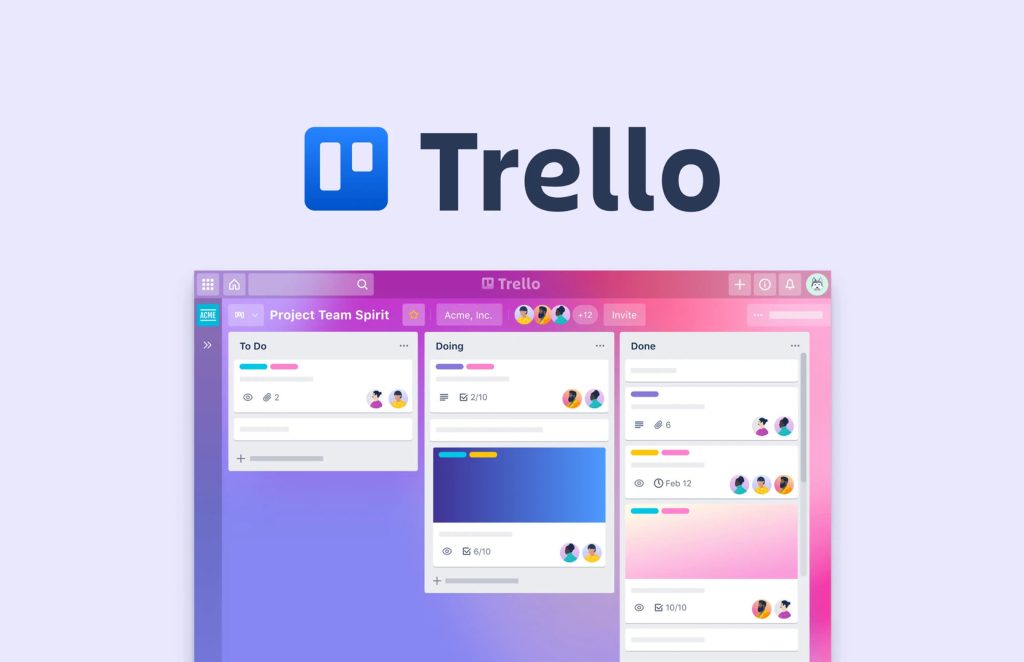
Remote work often requires mastering new tools (like Slack, Trello, or Notion). The more versatile you are, the more competitive you’ll be. - Use FlexJobs’ Filter Tools
By selecting options like “remote only,” “part-time,” or “freelance,” you can quickly find jobs that match your lifestyle.
Step by step, you’ll realize that FlexJobs isn’t some distant dream—it’s a practical starting point for redefining what work means to you.
6. Work Comes in Many Forms
Today, I’ve left the traditional office and become a freelance writer. My days are no longer dictated by a clock; I can choose when to work, when to travel, and when to pause to think.
Of course, freedom comes with challenges—unstable income, client turnover, uncertain projects. But all these have made me more aware: work is no longer a cage, but a form of self-expression and purpose.
In this fast-changing world, we’re all searching for a way to maintain our livelihoods while preserving our individuality. FlexJobs gave me that chance—to explore, to experiment, and to build balance on my own terms.
If you’re also reflecting on your future, take a look at the positions on FlexJobs. Maybe your next opportunity is waiting there.
Work doesn’t have to be defined by an office. It can happen at a sunlit café table, in a quiet corner during your travels, or right at home in your study. What matters most is that it makes you feel—finally, life and dreams are moving in the same direction.
.jpg)