 by
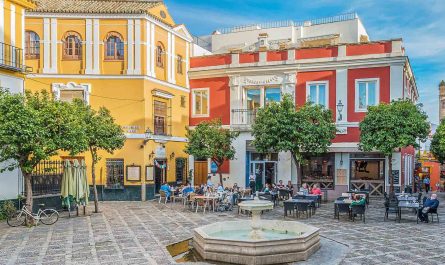
by Valencia, a historic city on Spain’s east coast, perfectly blends rich cultural heritage with modern urban vitality and convenience. With its warm Mediterranean climate and mild weather year-round, it is an ideal destination for travelers any time of the year. Beyond the famous City of Arts and Sciences, the charming old town, and beautiful beaches, Valencia boasts a well-organized city layout and a comprehensive transportation network. Although not very large in size, its transportation system is diverse and efficient, including metro, buses, trams, and car rentals, offering visitors flexible options to explore. Whether you are visiting for the first time or living here long-term, the convenient transport options make it easy and enjoyable to navigate the city and its surroundings.
Give Your Tech a Second Life
Give your devices a second life with Gazelle.com
Sell your old tech or buy certified pre-owned phones and laptops — saving money while reducing e-waste.
Smart for you. Good for the planet.
1. Detailed Overview of Valencia Metro System
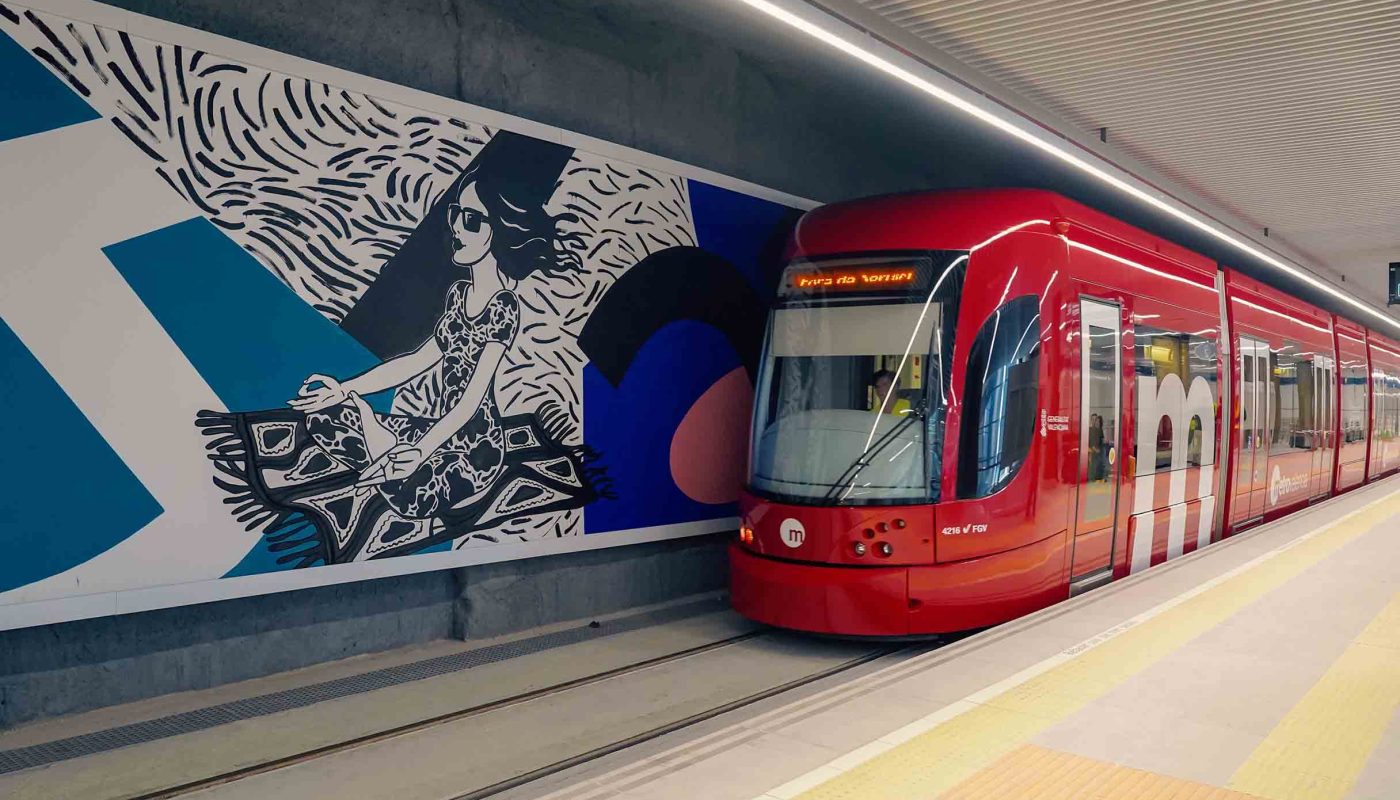
The Valencia metro system (Metrovalencia) is a crucial public transport network connecting the city center with surrounding areas. It covers a wide range, operates frequently, and offers reasonable fares. The metro makes traveling between key tourist spots and the city center fast and convenient and also reaches popular destinations in the suburbs.
- Metro Lines and Coverage
Valencia’s metro consists of nine lines, numbered 1 to 9. The network covers the city center, beach areas, the City of Arts and Sciences, the airport, and some suburbs.
• Line 1 is the main trunk line linking the airport and city center, passing through major spots like the Town Hall Square and Valencia train station.
• Lines 3 and 5 run north-south, connecting residential and commercial areas in the southern and northern parts of the city.
• Lines 4 and 6 mainly serve eastern and western city areas.
Stations are densely distributed, usually spaced just a few hundred meters apart, allowing passengers to hop on and off conveniently. - Operating Hours and Frequency
Metro services generally start at 6 a.m. and run until around midnight. During peak hours (7-9 a.m. and 5-7 p.m.), trains run every 5 to 7 minutes, while off-peak intervals are around 10 to 15 minutes. - Ticketing and Fares
Valencia metro offers single tickets, return tickets, and multi-ride passes. The popular “Bonometro” ten-ride ticket is economical and convenient, especially for short-term visitors.
• Single tickets range from about €1.50 to €3 depending on distance.
• The Bonometro ten-ride pass costs approximately €8.50, is valid for an extended period, and can be shared among multiple passengers.
Tickets can be purchased from automated machines, station counters, or official apps, supporting cash and card payments. - Riding Experience
Metro cars are clean and comfortable, equipped with air conditioning and Wi-Fi. Announcements are clear in both Spanish and English, making navigation easier for international travelers. Stations generally have accessibility features suitable for passengers with luggage or strollers.
2. Overview of Valencia Bus System
Besides the metro, Valencia has a well-developed bus network covering most city areas and nearby towns. Bus routes are extensive and frequent, ideal for short trips and connecting to metro stations.
- Main Bus Operator
The city’s bus services are mainly operated by EMT Valencia, using modern and mostly eco-friendly buses. Bus stops are abundant and clearly marked. - Key Bus Lines and Stops
Many bus routes pass through tourist hubs, linking the city center, old town, beaches, and the City of Arts and Sciences.
• Line 19 connects the city center with Malvarrosa Beach, a popular route for visitors.
• Line 35 links the train station with eastern suburbs.
Real-time schedules are accessible via the EMT website or mobile apps. - Fares and Ticketing
Bus fares are similar to the metro. Single tickets cost about €1.50, and multi-ride tickets can be used on both bus and metro.
• Single-ride tickets can be purchased onboard with cash, though it’s better to buy in advance to avoid issues with change.
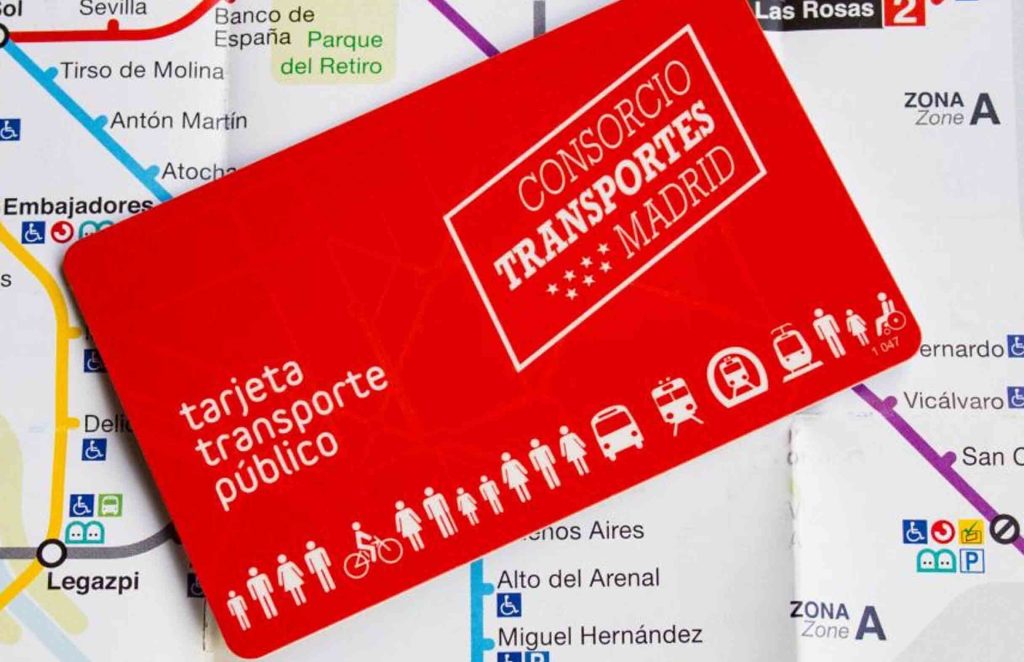
• The TuiN card or Bonobus card offers contactless entry and exit, making transfers smoother. These cards are available and rechargeable at metro stations, newsstands, and convenience stores. - Night Bus Services
Valencia operates NitBus night buses connecting nightlife areas with the city center. These run from midnight to early morning to accommodate late travelers.
3. Tram System — Connecting New City Areas
The tram network serves growing residential and university districts, offering modern and comfortable travel options for short to medium distances.
- Lines and Service
Valencia currently has three tram lines (4, 6, and 8) that connect major western and southern city areas. Tram stops are frequent, and intervals during peak hours can be as short as 4 to 6 minutes. - Fares and Tickets
Tram fares align with metro and bus prices. Tickets can be purchased using TuiN or Bonobus cards or cash single tickets. - Riding Experience
Trams have low-floor designs for easy boarding with wheelchairs or strollers. Cars are spacious, bright, air-conditioned, and monitored by video cameras for safety.
4. Valencia Airport Transportation Guide
Valencia Airport is located about 8 km from the city center and offers multiple convenient options to reach downtown.
- Direct Metro Access
Line 1 metro serves the airport station located beneath the terminal. A metro ride to the city center takes around 20 minutes, with affordable fares and frequent trains. This is the most recommended way for visitors to travel between airport and city. - Airport Bus
Bus Line 150 connects the airport with the city and main train stations, operating from 5 a.m. to midnight. It is convenient for passengers with larger luggage. - Taxi and Ride-Hailing
Taxis operate 24/7 from the airport, with a trip to downtown taking 15–20 minutes and costing about €20–25.
Ride-hailing services like Uber and Cabify also operate in Valencia, generally cheaper than taxis and bookable via app. - Car Rental
Multiple international and local car rental counters are available at the airport, including Europcar, Hertz, and Avis. Rental procedures are streamlined, suitable for travelers planning to explore the region by car.
5. Renting a Car and Driving Around Valencia and Surroundings
Valencia’s surrounding area boasts many charming towns and natural parks worth visiting. Renting a car offers flexibility and saves time transferring between public transport.
- Car Rental Process and Tips
Renters need a valid driver’s license, credit card, and ID. International licenses are accepted for foreigners driving in Spain.
Choose vehicles based on group size and luggage. Parking in the city can be limited; selecting hotels with parking is advised.
Check insurance details carefully and consider full coverage to avoid extra charges. - Recommended Rental Companies
Global brands like Hertz, Avis, and Europcar operate in Valencia, while local companies may offer better rates but vary in service quality.
Booking online in advance usually secures better deals. - Suggested Driving Routes
• Valencia to Alicante: Along the Mediterranean coast, about 2 hours, ideal for seaside scenery.
• Valencia to Albufera Natural Park: Just 20 minutes away, perfect for birdwatching and local cuisine.
• Valencia to Peñíscola: A medieval town about 1.5 hours’ drive, great for history enthusiasts.
6. Shared Bikes and Electric Scooters
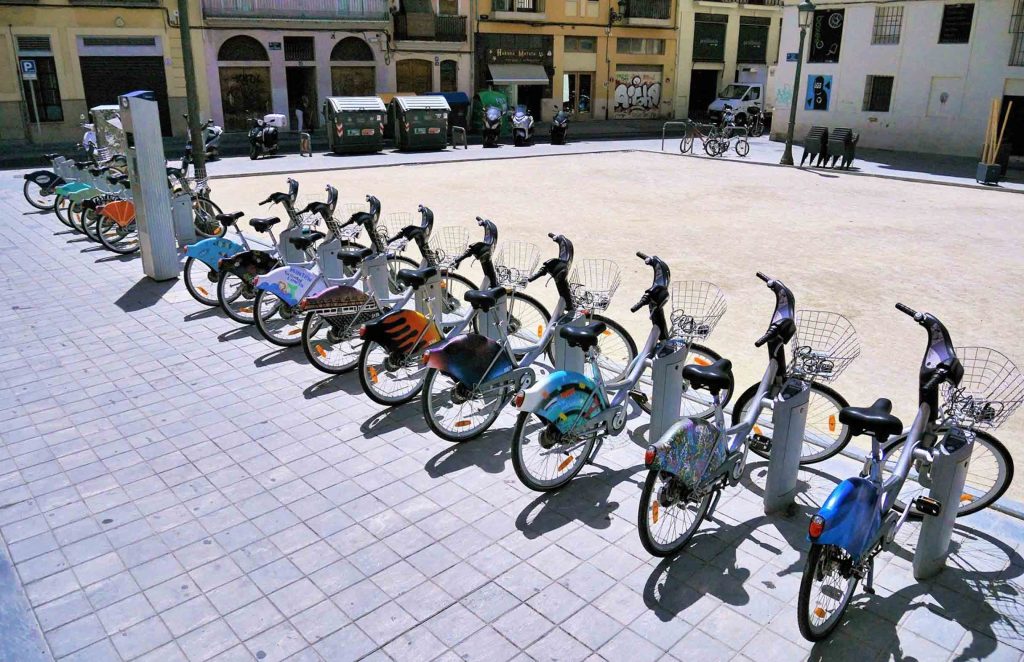
To promote green and short-distance travel, Valencia offers bike-sharing and electric scooter programs for visitors and residents.
- Shared Bikes
Valenbisi is the official bike-sharing project, covering many urban areas. After registering via the app, users can rent bikes for short trips. The initial fee is low, the first 30 minutes are free, with charges applied thereafter. - Electric Scooters
Multiple electric scooter brands operate in the city, rented through apps. Scooters are faster than bikes and convenient for solo short trips but require riders to observe traffic laws and prioritize safety. - Usage Advice
Wear helmets when riding and obey traffic signals. It’s safer to avoid scooters at night.
7. Taxi and Ride-Hailing Services Explained
Taxis and ride-hailing are quick and convenient transport choices, especially at night or when carrying heavy luggage.
- Taxis
Valencia taxis are typically white with clear rooftop signs. You can hail taxis on the street or book by phone or app.
The starting fare is about €3.00, with approximately €1.10 per kilometer. Additional charges apply during nights and holidays. - Ride-Hailing
Uber and Cabify operate in Valencia, often cheaper than taxis and easy to book via mobile apps with online payment options. - Tips
Booking ahead is recommended during peak times and holidays. Always choose licensed vehicles for safety, especially at night.
8. Practical Transportation Tips
- Recommended Transport Cards
Purchase TuiN or Bonobus cards for use across metro, bus, and tram systems. Multi-ride tickets save money and are convenient for tourists. - Avoiding Rush Hour Crowds
Public transport is busiest during weekday mornings (7:30-9:30) and evenings (17:00-19:30). Plan trips accordingly to avoid congestion. - Language Assistance
Most transport staff speak basic English. Signs and announcements are bilingual, and apps reduce language barriers. - Luggage Storage
Some metro and train stations offer luggage storage services for travelers on short trips. - Route Planning Apps
Downloading official Metrovalencia and EMT bus apps, along with Google Maps, helps check real-time schedules and routes, minimizing wait times.
Valencia’s transportation system is extensive and versatile. Whether you prefer the fast and efficient metro, the flexible bus and tram networks, or renting a car to explore further afield, this city caters to all travel styles. Understanding routes, fares, and ticketing in advance will save both time and money, ensuring a smooth and comfortable journey. The addition of shared bikes and electric scooters offers an eco-friendly option for short trips, making Valencia not only accessible but also sustainable.